

For e-commerce brands specifically, it is such a huge challenge to know how to increase sales on Amazon in 2026, driven by continuously increasing competition, ad costs, and performance standards. On top of that, merely listing your products or using ads is not considered enough to get more consistent growth on Amazon. Sellers need to improve high-intent keyword targeting, algorithm-aligned listing optimization, fostering customer trust through reviews, competitive price points, and scalable fulfilment and advertising systems, respectively, for sustainable increases in Amazon sales. Brands that neglect these very basic points often experience low visibility, declining conversions, and unstable revenue.
This guide is a comprehensive, SEO-focused, and conversion-driven best practices checklist of 25 effective and executable strategies for Amazon sellers to grow on Amazon. From conducting keyword and Amazon product page SEO optimization, Buy Box optimization strategies, Amazon product reviews, Amazon PPC, and scaling strategies, this guide breaks down what is working effectively on Amazon in 2026 and how it should be executed.
Section 1: Strategy & Foundation
1. Make Amazon a Priority Sales Channel
Amazon needs to be viewed as a major growth driver rather than as a testing or secondary sales channel. A successful online store on Amazon requires committed resources and clear ownership metrics, such as sessions, conversion rate, TACoS, Buy Box percentage, and profitability.
When Amazon is prioritized, decisions tend to be proactive rather than reactive. Sellers invest early in optimization, advertising, and tools, which allows them to adapt quickly to algorithm changes, seasonal trends, and competitor actions.
Execution Framework:
- Set Amazon-specific revenue and profitability goals aligned with overall business objectives.
- Assign specific responsibilities for listings, advertising, inventory, and performance analysis.
- Review Amazon’s operating data each week to identify trends, risks, and growth opportunities.
2. Understand Amazon’s Search & Buy Box Algorithms
Amazon’s algorithm determines where a product will rank based on relevance and performance factors. Relevance factors include keywords, categorization, and engagement metrics, while performance metrics are primarily dependent on conversion rates and past consumer behavior.
The Buy Box algorithm determines the winning seller who generates the most sales for a particular product offering. Factors such as pricing competitiveness, fulfillment options, ratings, order defect rates, and shipping speed directly affect Buy Box qualification and allocation.
Best Practice Example:
Sellers using Fulfillment by Amazon (FBA), combined with competitive pricing and fully optimized listings, demonstrate consistently higher Buy Box win rates than Fulfilled by Merchant (FBM) sellers, particularly in high-competition categories.
Execution Focus:
- Ensure listings are optimized for relevance and conversion
- Maintain competitive pricing aligned with Buy Box requirements
- Track Buy Box percentage regularly to identify performance drops
3. Research Your Target Customer and Buying Intent
Optimizing Amazon conversions requires a thorough understanding of customer behavior and purchasing motivations. This can be achieved by identifying pain points, objections, and buying expectations through customer reviews, responses within Amazon Q&A sections, and competitor analyses.
These data enable a clearer understanding of customer intent in relation to search queries, ensuring that product messaging, benefits, and imagery are optimally aligned. When product listings directly address customer questions and concerns, they tend to generate deeper engagement, reduce bounce rates, and improve organic search rankings.
Customer Insight Focus:
- Analyze low-rating reviews to identify recurring complaints and gaps.
- Identify repeated questions or objections across competitor listings.
- Refine product messaging to directly align with buyer expectations and use cases.
4. Conduct Regular Product and Competitor Audits
Amazon is an extremely dynamic marketplace, with competition constantly changing their price, image, keyword, and promotion strategy. Without regular product and competitor audits, even well-optimized listings can lose visibility, rankings, and Buy Box share over time.
Consistent audits help you identify gaps, respond to competitor improvements, and uncover new opportunities for optimization. By monitoring changes in search rankings, creative assets, pricing strategies, and offers, sellers can stay competitive and make data-driven decisions instead of reacting after performance declines.
Audit Focus Areas:
- Keyword targeting and organic ranking performance
- Product images, A+ content, and visual differentiation
- Pricing strategy, promotions, and competitive offers
5. Build Strong Branding and Enroll in Amazon Brand Registry
Strong branding helps products stand out in crowded Amazon search results and facilitates immediate trust among buyers. A consistent brand presence across titles, images, and product messaging reduces buyer hesitation and improves conversion rates, particularly when customers are comparing similar listings.
Amazon Brand Registry enables branding at scale by unlocking A+ Content, Brand Analytics, and listing protection. Well-structured A+ Content, with a focus on benefits, usage, and visualization, increases Amazon sales, enhances page engagement, and supports conversions. Brand Analytics also enables brands to optimize keywords and positions using shopper data.
Section 2: Product Listing SEO
6. Target High-Intent and Long-Tail Keywords
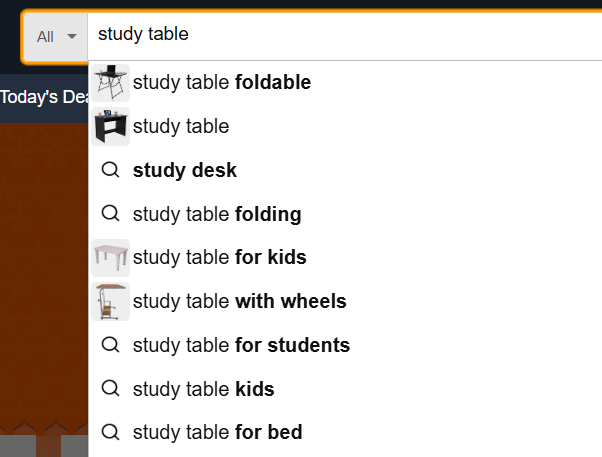
High-intent keywords reflect specific customer needs and typically convert better than broad, generic terms. Long-tail keywords attract shoppers who already know what they’re looking for, which reduces comparison behavior and leads to faster, more confident purchase decisions.
Process to Identify High-Intent Keywords:
- Enter your core keyword in the Amazon search and note auto suggested
- Analyze competitor listings for repeated keyword patterns
- Extract customer language directly from reviews and Q&A sections
- Prioritize keywords that include size, quantity, compatibility, material, or use case
Keyword Qualification Focus:
- Confirm the keyword clearly signals purchase intent
- Ensure the keyword accurately matches the product offering
- Validate that the keyword reflects real customer language
7. Use Keyword Research Tools and Historical Data
Relying on assumptions or guesswork often leads to poor rankings and wasted visibility on Amazon. Effective keyword research is data-driven and combines multiple data sources to identify terms that not only drive traffic but also generate conversions and sales.
Keyword Research Workflow:
- Collect seed keywords from Amazon suggestions and category searches
- Expand the keyword list using competitor ASIN research tools
- Validate keywords using PPC data like CTR, conversion rate, and sales
- Remove keywords that get impressions but fail to convert
Optimization Insight:
Keywords that consistently convert in PPC campaigns should be integrated into organic listings to strengthen relevance, improve rankings, and scale sales performance.
8. Write SEO-Optimized, Descriptive Product Titles
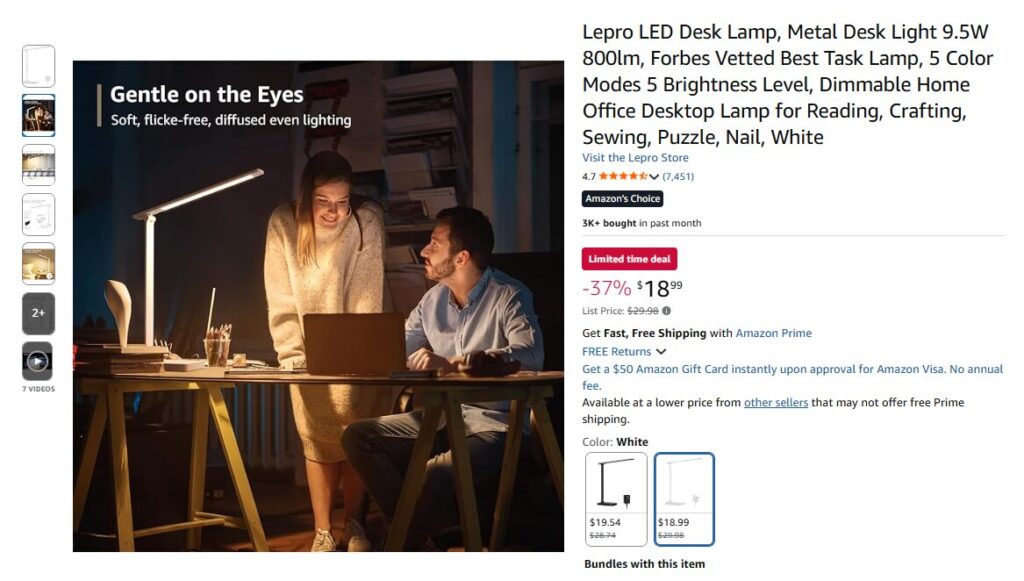
Your product title should communicate exactly what the product is within seconds, especially on mobile devices where attention spans are limited. Clear, descriptive titles improve click-through rates and set accurate expectations, while over-optimized or keyword-stuffed titles reduce readability, trust, and long-term performance.
Title Optimization:
- Start with the brand name for recognition and trust
- Include the core product keyword for search relevance
- Add one primary benefit or differentiator where relevant
- Finish with essential attributes such as size, quantity, or material
Quality Control Focus:
- Ensure the title remains easy to read on mobile devices
- Avoid unnecessary repetition or keyword stuffing
- Confirm full compliance with Amazon’s title and category policies
9. Create Benefit-focused Bullet Points
Bullet points tend to be more effective at conversion than the product’s description since most consumers are able to scan them quickly before deciding whether or not to buy. Effective bullet points enable a customer to instantly note the benefits.
Process for Writing Strong Bullet Points:
- Identify the top customer pain points and buying motivations
- Translate product features into clear, outcome-driven benefits
- Use simple, skimmable language that’s easy to understand at a glance
Example:
Feature: Stainless steel body → Benefit: Long-lasting and rust-resistant for daily use
10. Write Detailed and Persuasive Product Descriptions
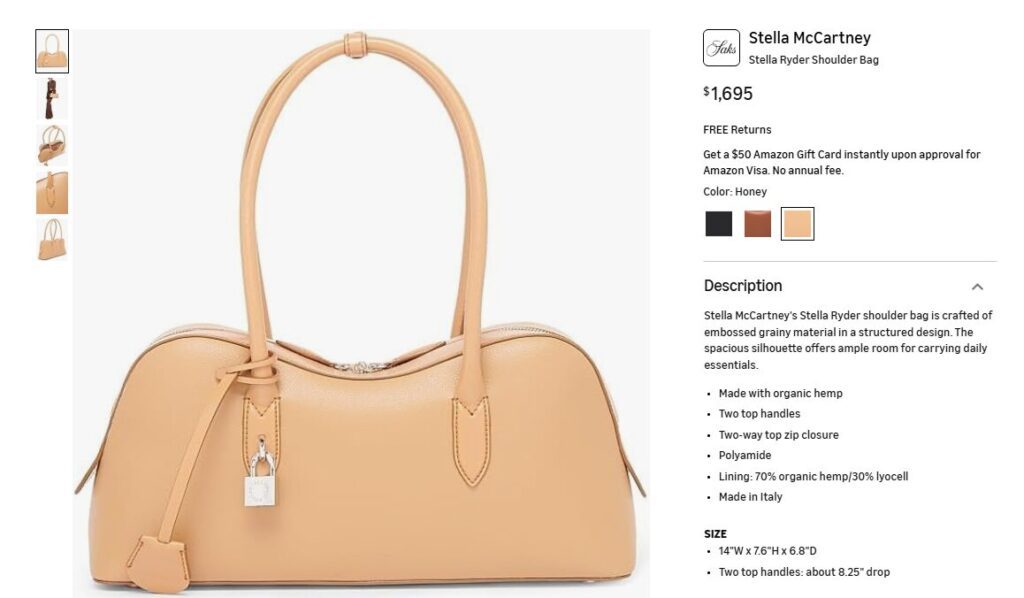
Product descriptions support buyers who need extra reassurance before purchasing by expanding on benefits, clarifying use cases, and addressing common objections. Clear, well-structured descriptions help remove doubts, reinforce quality, and increase amazon sales by conversion confidence.
Best Practices:
- Explain clear use cases and ideal scenarios
- Address common customer objections and concerns
- Reinforce quality signals such as guarantees or certifications
- Use short paragraphs or A+ Content formatting for better readability
11. Optimize Backend Search Terms
Backend search terms improve product discoverability on Amazon without affecting frontend copy or customer-facing content. Properly optimized backend keywords allow for capturing additional relevant searches through synonyms, alternate spellings, and variations that do not fit naturally into titles or bullet points.
Backend Keyword Focus:
- Avoid repeating keywords already used in the title or bullets
- Include relevant synonyms, abbreviations, and keyword variations
- Do not use competitor brand names or restricted terms
12. Select the Correct Category and Sub-category
Selecting the right category and sub-category is very important for visibility, as if you select the wrong category, it may restrict your impressions and your product may not come up in searches related to it. Selecting the right category will also help Amazon’s algorithm to know where to place your product.
Process:
- Review the categories and sub-categories used by top competitors
- Compare Amazon-recommended browse nodes for your product type
- Select the most relevant sub-category aligned with buyer intent
Section 3: Images, Content & Trust
13. Use High-Quality, Amazon-Compliant Product Images
Product images are also important in the purchasing decision because they are the first thing that the customer sees when comparing products. Clear, high-resolution images that accurately represent the product help build trust, improve click-through rates, and reduce pre-purchase hesitation.
Image Optimization Process:
- Use a pure white background for the main image
- Show the product from multiple angles for clarity
- Highlight key features through secondary images
- Meet Amazon’s minimum size and zoom requirements
By following the image guidelines set by Amazon, it is possible to avoid having listings suppressed while still being able to create a professional and credible look that is conducive to higher conversions.
14. Add Lifestyle and Use-Case Visuals
Lifestyle and use-case images help customers understand a product’s role in real-world scenarios by illustrating scale, context, and practical use. These visuals facilitate shopper comprehension of product ownership, reduce uncertainty, and reinforce key benefits in a natural and relatable way.
15. Leverage A+ / Enhanced Brand Content
A+ Content improves product listings with rich visuals, comparison charts, and storytelling that can improve engagement and credibility. A well-designed A+ Content can help set the right expectations, improve sales, conversion rates, and even help decrease returns by providing a better understanding of the product before buying.
16. Develop a Strategy to Earn Genuine Verified Reviews
Customer reviews play a significant role in Amazon purchases, and it is therefore important to concentrate on product quality and customer experience in order to get genuine reviews. Follow-up communication that is Amazon-compliant should be used to request reviews, and any form of reward or fake reviews should be avoided, as these can lead to penalties and long-term account damage.
17. Actively Respond to Reviews and Product Q&A
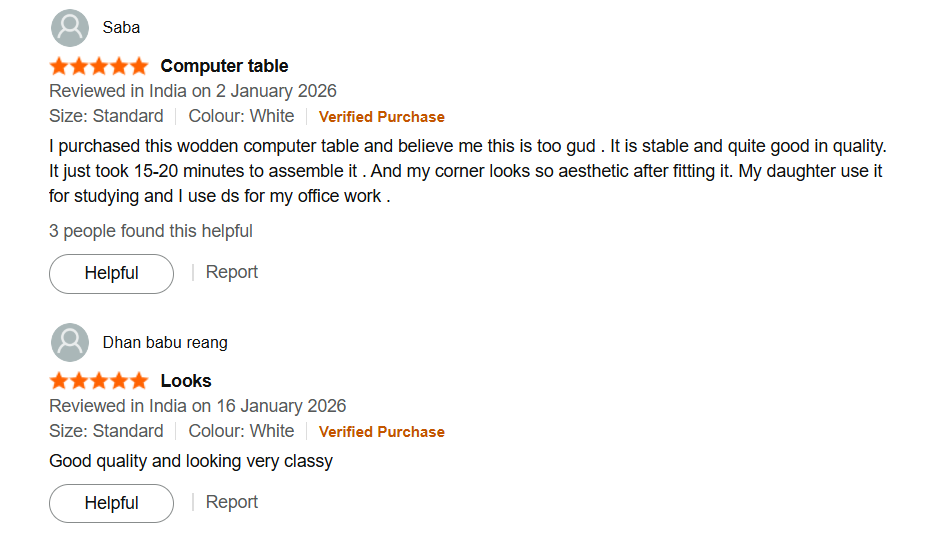
Responding to customer reviews and product Q&A demonstrates accountability and customer care, which helps build trust with future buyers. Address concerns professionally, provide clear answers, and acknowledge positive feedback, as active engagement can remove objections and reinforce confidence before purchase.
Section 4: Buy Box, Pricing & Fulfillment
18. Maintain Competitive Pricing With Repricing Tools
Pricing has a direct impact on conversion rates and Buy Box eligibility, making it a key driver for Amazon sales growth. Manually monitoring competitor prices can be time-consuming and inaccurate, particularly in competitive categories where prices are constantly fluctuating.
Pricing Optimization Process:
- Analyze competitor price ranges and average selling prices
- Establish minimum and maximum price thresholds to safeguard margins
- Use of repricing tools that can automatically change prices according to competition
- Review profitability regularly to prevent long-term margin erosion
Repricing tools enable sellers to remain competitive at scale while retaining control over profitability and Buy Box.
19. Optimize Inventory and Stock Management
Availability of stock affects rankings and sales momentum directly, as stockouts can lead to the disappearance of listings from search results, and it may take time to regain visibility. Demand forecasting and inventory management tools can help in restocking and ensuring consistent sales performance.
20. Offer Fast, Reliable Fulfillment (FBA Recommended)
Fast and reliable shipping improves customer satisfaction and conversion rates, and Fulfillment by Amazon (FBA) enables Prime eligibility and trusted delivery at scale. FBA also reduces operational complexity and supports long-term scalability by handling storage, packing, shipping, and customer service.
21. Improve Seller Metrics and Customer Service
Amazon prioritizes sellers with strong performance metrics, including fast response times, low order defect rates, and reliable shipping, which directly support visibility and sales. Consistent, high-quality customer service also leads to better reviews and long-term trust, reinforcing overall account health.
Section 5: Advertising & Scaling
22. Run Amazon PPC Campaigns (Sponsored Ads)
Amazon PPC enables merchants to target high-intent consumers at the precise moment they are searching, making it one of the quickest ways to drive targeted traffic and sales. When done correctly, PPC not only drives immediate sales but also helps to improve organic rankings by increasing Amazon sales velocity.
PPC Campaign Setup Process:
- Start with automatic campaigns to discover converting keywords
- Move winning search terms into manual exact and phrase match campaigns
- Optimize bids based on conversion data rather than clicks alone
- Continuously add negative keywords to eliminate wasted spend
Well-optimized PPC campaigns improve sales, traffic quality, strengthen sales momentum, and contribute to long-term organic visibility.
23. Promote Best-Selling Products With Ads, Deals, and Bundles
Focusing the ad budget on items that already have a strong conversion rate can help optimize return on investment. Employing the use of promotions such as offers and bundles may help boost average order value, speed up the sales curve, and ultimately drive the growth of the catalog while also helping to move slower-selling items.
24. Build an Amazon Store and Use Subscribe & Save
An Amazon Store helps strengthen brand presence by allowing better product discovery and brand storytelling in one place. Subscribe & Save encourages repeat purchases and creates more predictable revenue, while both features support higher customer lifetime value and long-term brand loyalty.
25. Scale With International Expansion and Automation Tools
Once your Amazon foundation is strong, expanding into international marketplaces helps you reach new audiences and unlock new growth opportunities. Automation tools for pricing, inventory, and advertising make it easier to scale efficiently, ensuring sustainable growth without operational overload.
Conclusion
Increasing Amazon sales is a long-term process that requires the right strategy, consistency, and data-driven execution. Simply launching products or running ads is no longer enough in today’s competitive Amazon marketplace.
By implementing these 25 strategies, sellers can enhance their visibility and conversion rates on Amazon. These strategies include listing SEO, keyword optimization, images, pricing, reviews, fulfillment, and PPC. By optimizing and monitoring these factors, brands can outperform their competitors and keep up with Amazon’s ever-changing algorithms.
Frequently Asked Questions (FAQs)
Most sellers see early improvements within 30 to 60 days after optimizing listings and running PPC campaigns. Sustainable growth typically takes 3 to 6 months, depending on competition, pricing, and inventory stability.
The fastest methods include optimizing product titles and images, running Amazon PPC on high-intent keywords, and maintaining competitive pricing with Prime-eligible fulfillment. These actions directly impact visibility and conversions.
Yes. In competitive categories, Amazon PPC is essential for launching products, defending rankings, and scaling sales. Organic growth alone is often too slow without paid visibility support.
Listings should be reviewed at least once every 30 to 60 days, or whenever there are changes in keywords, competition, pricing, or customer feedback trends.
Yes. Small sellers can compete by targeting long-tail keywords, optimizing listings for niche buyer intent, offering better customer service, and maintaining strong product quality.
Yes. Sales growth can be achieved through better listing optimization, stronger images, A+ Content, faster fulfillment, and targeted advertising—without competing solely on price.
Amazon rankings are mainly influenced by keyword relevance, conversion rate, sales velocity, pricing, stock availability, and seller performance metrics such as order defect rate and fulfillment speed.
Jignesh Gohel

Jignesh Gohel is a Founder and Digital Marketing head at OLBUZ (Google Premier Partner Agency 2023, 2024 and 2026) and India's leading travel portal TheIndia. With over 18 years of experience in digital marketing Jignesh has helped many large, medium and small businesses to grow multi-fold.

Contact Form Popup
Boost Your Business Now
This will close in 0 seconds
apply now popup
Apply Now
This will close in 0 seconds
Get free audit popup
Get Free Google Ads Account Audit Worth $999
This will close in 0 seconds
Contact page Form Popup
Contact Us
This will close in 0 seconds